
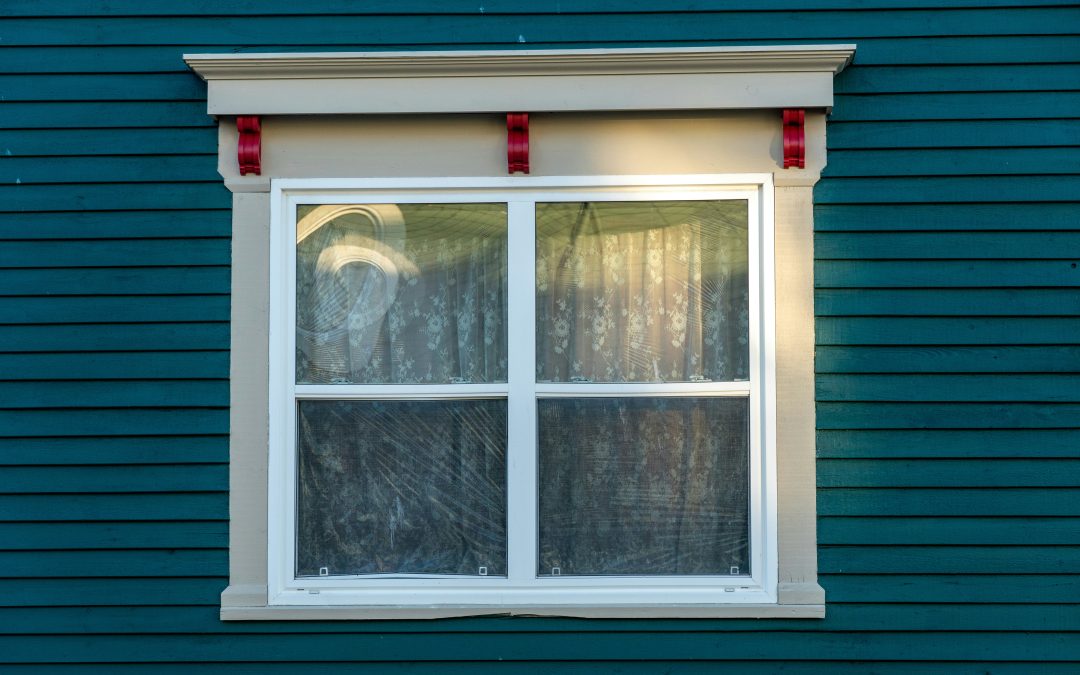
Casement windows are among the most popular window styles for homes worldwide. They’re practical, elegant, and offer excellent ventilation and energy efficiency. If you’re planning a window replacement or building a new home, understanding the types of casement windows will help you choose the right one for your style, functionality, and budget.
What Are Casement Windows?
Casement windows are hinged at the side and open outward, much like a door. They usually open using a crank handle, making them easy to operate even in tight spaces. Because they seal tightly when closed, they’re highly energy-efficient and often used in modern homes. According to the U.S. Department of Energy, casement windows can reduce air leakage better than sliding or double-hung windows when installed properly, improving overall insulation.
Single Casement Windows
A single casement window features one sash attached to the frame by side hinges. It opens either to the left or right using a crank or lever. This type is ideal for smaller rooms or spaces where you want simplicity and unobstructed views. Single casement windows are often installed above sinks, in bathrooms, or in areas that need good ventilation without compromising wall space.
Key Benefits:
- Easy to open and close with one hand.
- Provides maximum ventilation for compact spaces.
- Simple design fits both modern and traditional homes.
Double Casement Windows (French Casement)
Double casement windows, also known as French casement windows, have two panels that open outward from the center—similar to French doors. They don’t have a central vertical frame, which provides a completely open view when both sides are open. These are excellent for living rooms, bedrooms, or patios where you want to enjoy the view and let in fresh air.
Why Homeowners Love Them:
- Offer a wide, unobstructed opening for airflow.
- Bring in abundant natural light.
- Create a stylish, symmetrical appearance.
Push-Out Casement Windows
Unlike crank-operated versions, push-out casement windows open manually with a gentle push. They usually include a handle or latch for operation. Push-out designs are perfect for homeowners who prefer a more traditional or rustic look. They also provide quick access to the outdoors—useful in kitchens or garden-facing rooms.
Advantages:
- Classic design adds charm to vintage-style homes.
- Easy to clean from the inside.
- Faster operation compared to crank models.
Top-Hung Casement Windows (Awning Style)
While technically a subtype, top-hung casement windows deserve a mention. These are hinged at the top and open outward from the bottom. This design prevents rain from entering even when the window is open, making it ideal for rainy climates. You’ll often find them in basements, bathrooms, or kitchens for continuous ventilation.
Why They Stand Out:
- Can remain open during light rain.
- Excellent for moisture-prone spaces.
- Provide privacy while still allowing airflow.
Bottom-Hung Casement Windows (Hopper Style)
Bottom-hung casement windows open inward from the top and are hinged at the bottom. They are the opposite of awning windows and are commonly installed in basements, garages, or utility rooms. These windows are easy to clean and provide good airflow, although they don’t offer as much weather protection as top-hung designs.
Best Features:
- Compact and efficient for small openings.
- Simple inward opening for easy access.
- Great for rooms needing extra ventilation.
Fixed Casement Windows
Fixed casement windows don’t open at all—they’re sealed shut. However, they share the same design as operable casements, which means they look identical from the outside. Fixed types are used where ventilation isn’t needed but natural light is essential, such as stairways or hallways.
Key Advantages:
- Provide maximum insulation since they don’t open.
- Cost-effective compared to operable casement windows.
- Allow plenty of natural light into dark areas.
Custom Casement Windows
If your home has unique architectural details or non-standard window sizes, custom casement windows are the way to go. You can select materials like aluminum, wood, or uPVC and choose from finishes such as matte black or natural oak. Custom options can also include energy-efficient glass or built-in blinds between the panes.
Why Choose Custom Options:
- Tailored to fit unusual spaces or designs.
- Enhance aesthetic appeal with personalized finishes.
- Improve insulation with high-performance glazing.
Choosing the Right Type for Your Home
Selecting the right types of casement windows depends on your home’s style, location, and ventilation needs. Here are a few tips to help you decide:
- For classic homes: Choose push-out or double casement windows for a traditional touch.
- For modern designs: Fixed or single casement windows work best for clean, minimalist lines.
- For rainy regions: Go with top-hung casement (awning) windows to enjoy airflow without leaks.
- For basements or compact spaces: Bottom-hung casements provide controlled ventilation.
You can also mix different styles across your home—for example, use fixed casement windows for upper floors and operable ones in living spaces for airflow.
Final Thoughts
Casement windows offer beauty, versatility, and performance that few other window styles can match. Whether you’re renovating your entire home or upgrading a few rooms, exploring different types of casement windows helps you find the right balance between style and practicality. From single and double casements to custom or top-hung variations, each type brings its own charm and functionality to your living space.