
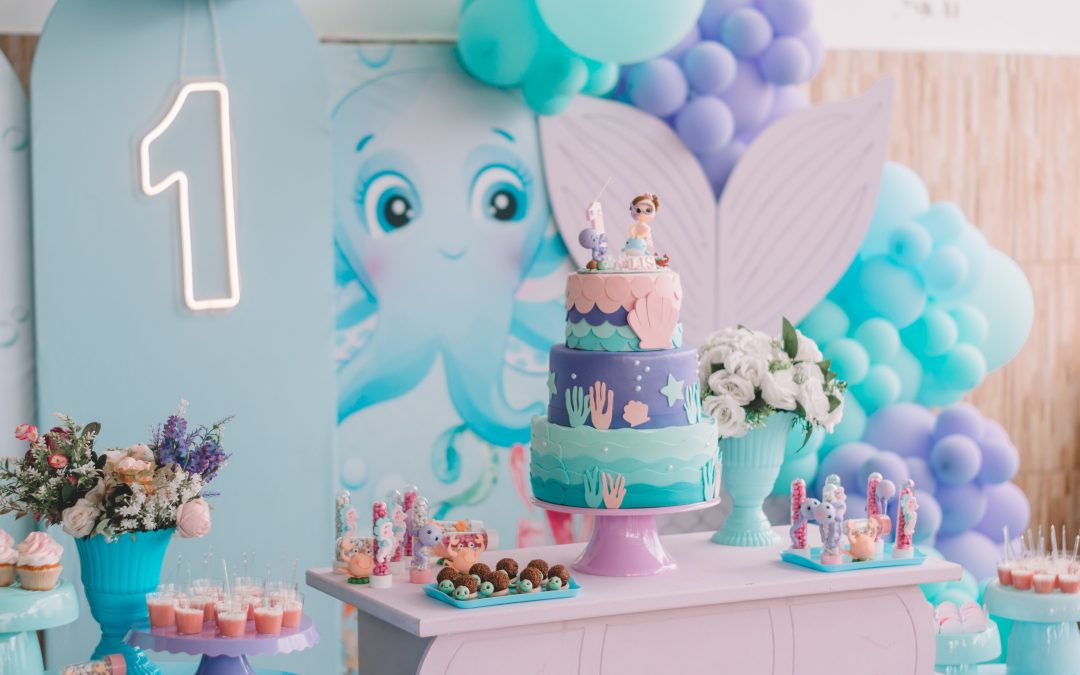
Every great event starts with a vision. Whether you’re planning a birthday party, wedding, corporate gathering, fundraiser, baby shower, or anniversary celebration, the theme often sets the tone for everything that follows. From invitations and decorations to food and entertainment, a well-chosen theme helps create a cohesive experience that guests will remember long after the event ends.
If you’re wondering how to choose a theme for your event, you’re not alone. With endless ideas available online, narrowing down the perfect concept can feel overwhelming. The good news is that choosing a theme becomes much easier when you focus on your event’s purpose, audience, and atmosphere.
According to the Event Marketing Institute, immersive experiences play a significant role in how attendees remember events, making thoughtful planning and consistent themes important for creating lasting impressions. A strong theme ties every detail together without making the event feel forced.
Let’s explore how to select a theme that fits your vision and keeps planning simple.
Start with the Purpose of Your Event
Before looking at color palettes or decorations, think about why you’re hosting the event.
Ask yourself:
- Is it a celebration?
- Is it educational?
- Is it professional?
- Is it a fundraiser?
- Is it meant to entertain?
The purpose provides the foundation for every design decision you’ll make.
For example, a corporate networking event will have a much different feel than a child’s birthday party.
Consider Your Guests
Your guests should influence your theme as much as your personal preferences.
Think about:
- Age group
- Interests
- Cultural considerations
- Accessibility needs
- Group size
Choosing a theme your guests can relate to creates a more enjoyable experience for everyone.
Set a Realistic Budget
One of the biggest factors in how to choose a theme for your event is your available budget.
Some themes require elaborate decorations, specialty rentals, or custom entertainment, while others can be created with simple design elements.
Budget-friendly themes often focus on:
- Color schemes
- Seasonal décor
- Natural elements
- DIY decorations
Keeping your budget in mind helps you avoid unnecessary stress during planning.
Draw Inspiration from the Season
Seasonal themes often feel natural and require less effort to bring together.
For example:
Spring:
- Garden party
- Floral celebration
- Pastel colors
Summer:
- Tropical luau
- Beach picnic
- Outdoor barbecue
Fall:
- Rustic harvest
- Autumn leaves
- Pumpkin-inspired décor
Winter:
- Cozy lodge
- Holiday elegance
- Winter wonderland
Seasonal inspiration also makes decorating easier because many items are readily available.
Match the Venue
Your location can inspire your theme.
Consider the existing style of the venue.
Examples include:
- Beachfront locations for coastal themes
- Barn venues for rustic celebrations
- Ballrooms for elegant events
- Gardens for floral themes
- Rooftops for modern city-inspired gatherings
Working with your venue rather than against it often reduces decorating costs.
Choose a Consistent Color Palette
Colors help unify every aspect of an event.
Many successful events use:
- Two or three primary colors
- One accent color
- Neutral background tones
A consistent palette creates visual harmony across invitations, centerpieces, table settings, and signage.
Think About the Experience
Rather than focusing only on decorations, think about how you want guests to feel.
Do you want the atmosphere to be:
- Relaxed
- Elegant
- Fun
- Sophisticated
- Playful
- Romantic
Your theme should support the overall mood you want to create.
Find Inspiration from Personal Interests
Sometimes the best event themes come from hobbies or shared passions.
Ideas include:
- Travel
- Movies
- Books
- Music
- Sports
- Vintage styles
- Favorite destinations
Personal themes often make celebrations feel more meaningful and unique.
Keep Decorations Practical
A beautiful theme should also be manageable.
Choose decorations that fit:
- Your setup time
- Available space
- Budget
- Cleanup plans
Simple designs often have the greatest visual impact without overwhelming guests.
Coordinate Food and Drinks
Food can become part of your event theme.
For example:
A tropical event may feature:
- Fresh fruit
- Island-inspired dishes
- Colorful beverages
A rustic gathering may include:
- Charcuterie boards
- Seasonal desserts
- Farm-style meals
Matching your menu to the theme creates a more immersive experience.
Include Entertainment That Fits
Entertainment should complement your event rather than compete with it.
Depending on your theme, options may include:
- Live music
- Interactive games
- Photo booths
- Workshops
- Performers
- Trivia contests
Thoughtfully selected entertainment helps reinforce the event’s overall atmosphere.
Don’t Overcomplicate the Theme
One common mistake when learning how to choose a theme for your event is trying to include too many ideas.
Instead, focus on one clear concept.
For example, if your theme is “Tropical Escape,” let that influence:
- Decorations
- Music
- Food
- Invitations
- Dress code
Keeping everything connected creates a polished event.
Make Invitations Match
Your invitations give guests their first impression of the celebration.
Include design elements that reflect your chosen theme through:
- Fonts
- Colors
- Graphics
- Wording
Guests will immediately understand the style and expectations for the event.
Stay Flexible
Sometimes certain decorations or supplies may not be available.
Rather than changing your entire plan, adapt while keeping your central theme intact.
Flexibility helps reduce stress and allows room for creative solutions.
Remember that guests will remember the experience more than small decorative details.
Popular Event Theme Ideas
If you need inspiration, here are some timeless favorites:
- Rustic elegance
- Tropical paradise
- Garden party
- Hollywood glamour
- Vintage celebration
- Black and white formal
- Coastal retreat
- Boho chic
- Carnival fun
- Around the world
These themes work well for many different occasions and can be customized to suit your style.
Focus on Creating Lasting Memories
At the end of the day, a successful event is about bringing people together.
Beautiful decorations matter, but meaningful conversations, enjoyable activities, and thoughtful planning often leave the strongest impressions.
As event planner David Tutera has often emphasized, memorable events are created through thoughtful details that reflect the people being celebrated, rather than simply following trends.
Conclusion
Learning how to choose a theme for your event is all about creating a celebration that feels cohesive, welcoming, and enjoyable for your guests. By considering your event’s purpose, budget, venue, audience, and personal style, you can confidently select a theme that guides every planning decision.
Whether you choose an elegant formal gathering, a relaxed garden party, or a vibrant tropical celebration, keeping your design simple and consistent will help create an event that guests remember for all the right reasons. Thoughtful planning turns even the simplest theme into a truly unforgettable experience.