
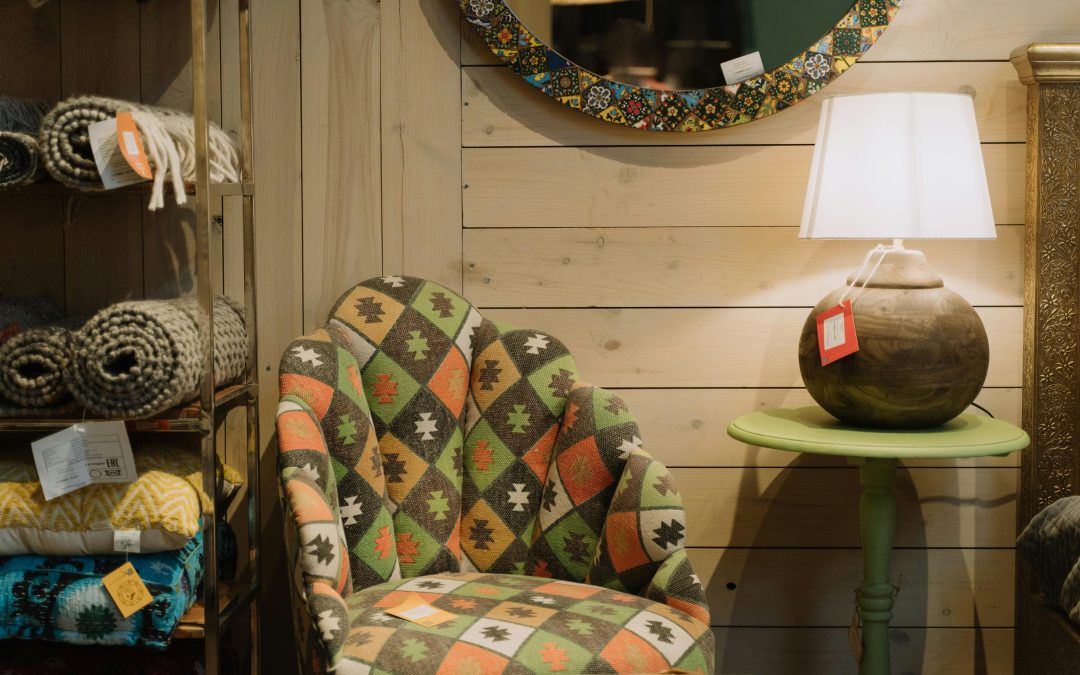
Creating a home that feels welcoming and comfortable is something everyone wants. Interior styling for warm spaces is not just about picking soft colors or plush furniture; it’s about creating a balanced environment that radiates comfort while staying functional. With the right approach, even the sunniest or hottest areas of your home can feel cozy, stylish, and enjoyable year-round.
Understanding What Makes a Space Warm
Warmth in interior design goes beyond temperature. It’s the feeling a room gives you when you walk in. Experts from the American Society of Interior Designers note that warm spaces often combine color, texture, and lighting to create a sense of comfort. Some key elements include:
- Warm color palettes like soft oranges, golds, and earthy tones
- Layered textures such as rugs, throws, and cushions
- Thoughtful lighting that balances natural and artificial sources
By paying attention to these details, interior styling for warm spaces can make any room feel inviting, even in larger or open layouts.
Choosing the Right Colors
Colors have a powerful effect on perception. Warm colors like terracotta, mustard, or soft browns create a welcoming environment, while lighter shades of beige and cream can add airiness. Tips for using color effectively:
- Combine a neutral base with warm accents for balance
- Use darker warm shades on smaller furniture or walls for depth
- Incorporate metallics like bronze or copper for a subtle shine
According to Pantone’s 2024 color trends, warm earth tones are gaining popularity because they create grounding, soothing spaces that feel natural and cozy.
Incorporating Textures
Texture is essential for interior styling for warm spaces. It adds dimension and comfort without cluttering the room. Ideas to consider:
- Layering rugs or carpets with different fabrics
- Adding knit throws or velvet cushions to seating areas
- Mixing natural materials like wood, wicker, and leather for a balanced feel
Textures give your home a tactile quality that makes guests feel welcome and encourages relaxation.
Lighting Strategies
Lighting sets the mood for any warm space. Poor lighting can make even the most beautifully styled room feel cold or uninviting. Effective strategies include:
- Using warm LED lights instead of harsh fluorescent bulbs
- Incorporating table lamps and floor lamps for layered lighting
- Maximizing natural light with sheer curtains or strategically placed mirrors
Lighting can highlight your interior styling choices and emphasize cozy corners where people can gather.
Furniture and Layout Tips
How you arrange furniture impacts both warmth and functionality. Interior styling for warm spaces should consider flow, comfort, and accessibility. Consider these tips:
- Place seating to encourage conversation and social interaction
- Avoid overcrowding the space; allow room for movement
- Use multi-functional furniture like ottomans with storage or extendable tables
Choosing the right furniture also means selecting pieces that complement your warm color palette and textures for a cohesive look.
Adding Personal Touches
A room feels warmer when it reflects the people living in it. Personal touches enhance interior styling for warm spaces by making them unique and inviting. Ideas include:
- Family photos or personal artwork
- Travel souvenirs displayed tastefully
- Handmade or artisan pieces that add character
Personal elements make a space feel lived-in and relatable while contributing to its overall warmth.
Plants and Natural Elements
Plants are a simple yet effective way to enhance the warmth of any space. They bring life, color, and freshness into your home. Tips for integrating greenery:
- Choose low-maintenance plants like snake plants, pothos, or succulents
- Use decorative pots that match your room’s color palette
- Place plants near windows to ensure proper sunlight
Natural elements like wood furniture, stone accents, and plants work together to create harmony and a calming atmosphere.
Seasonal Adjustments
Interior styling for warm spaces can also adapt to seasons to maintain comfort throughout the year. Consider:
- Switching out heavy throws for lighter fabrics in summer
- Adding cozy rugs and layered bedding in winter
- Updating accent colors seasonally to reflect natural changes
Adapting your styling with seasonal changes keeps your home feeling fresh and inviting without requiring a complete redesign.
Final Thoughts on Interior Styling for Warm Spaces
Creating warm spaces is a blend of art and science. By carefully selecting colors, textures, lighting, furniture, and personal touches, you can make every room feel cozy, inviting, and stylish. Remember, warmth is as much about the atmosphere as it is about aesthetics. A well-planned interior styling strategy enhances comfort, encourages relaxation, and leaves a lasting impression on anyone who enters your home.
Invest in details, layer thoughtfully, and embrace personal touches to achieve a home that radiates warmth naturally. Your space will not only look good but feel genuinely welcoming all year round.