
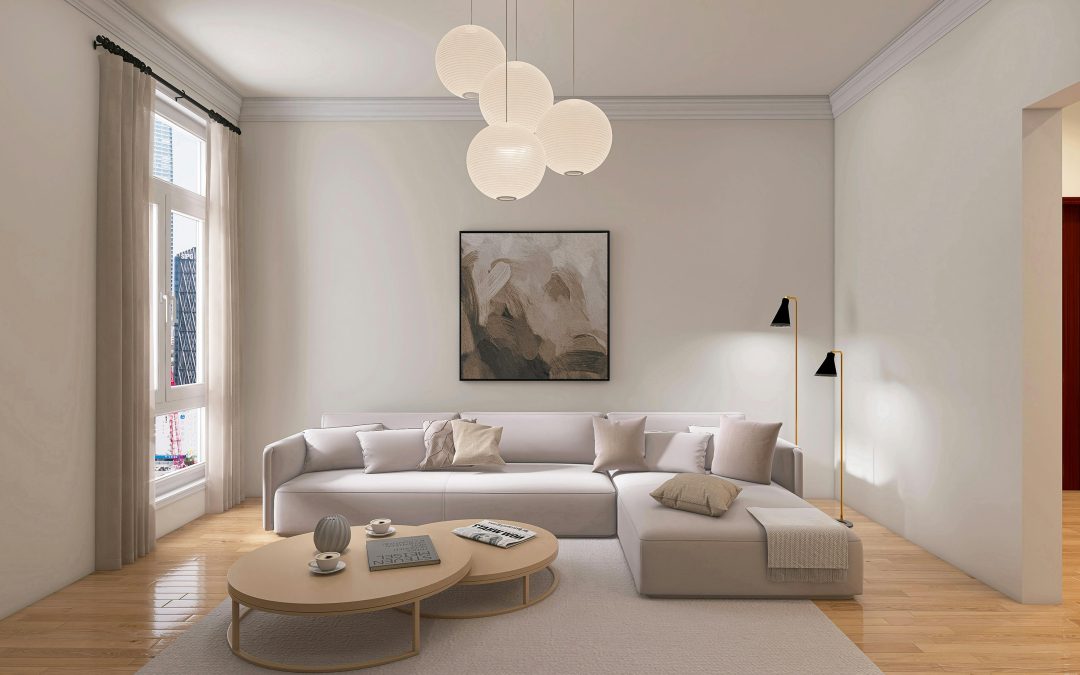
Decorating your home interiors can feel overwhelming, but it does not have to be complicated. With the right approach, you can create a space that reflects your personality and feels welcoming. Learning how to decorate home interiors effectively allows you to balance style and functionality in every room. According to Houzz, 74% of homeowners say that personal touches make a home feel more comfortable and inviting.
Understanding Your Style
Before adding furniture or colors, identify your interior style. Popular options include:
- Modern – Clean lines, minimalistic design, and neutral colors
- Bohemian – Eclectic mix, vibrant colors, and textured fabrics
- Traditional – Classic furniture, symmetry, and rich color palettes
- Industrial – Exposed materials, metal accents, and urban vibe
Knowing your preferred style helps you make consistent decisions for a cohesive look.
Choosing the Right Colors
Color sets the mood of your home. Tips for selecting the right palette include:
- Use neutral colors for walls to create a versatile base
- Add pops of color with accessories like cushions, rugs, and artwork
- Consider color psychology: blue promotes calm, yellow energizes, green balances
Natural light also affects how colors appear, so test paint samples before committing.
Furniture Selection and Arrangement
Selecting and arranging furniture is key to functional spaces. Keep these tips in mind:
- Measure your rooms to ensure furniture fits comfortably
- Create conversation areas by grouping seating together
- Use multifunctional furniture for smaller spaces, such as ottomans with storage
Proper placement improves flow and makes rooms feel inviting.
Incorporating Textures and Materials
Textures add depth and interest to interiors. Ideas include:
- Mix soft fabrics like velvet or linen with harder materials like wood or metal
- Layer rugs, throws, and cushions for cozy appeal
- Use natural materials such as wicker, rattan, or stone for organic charm
Combining textures can create warmth and visual intrigue.
Lighting Your Home
Lighting dramatically influences mood and style. Consider:
- Layering ambient, task, and accent lighting for versatility
- Using statement fixtures like chandeliers or pendant lights for focal points
- Adding dimmers to control brightness according to mood or activity
Proper lighting makes rooms appear larger, cozier, and more functional.
Personalizing with Accessories
Accessories let your personality shine. Ideas include:
- Display family photos or travel souvenirs
- Use mirrors to create the illusion of space and reflect light
- Add plants to improve air quality and bring natural beauty indoors
Small touches can make a home feel uniquely yours.
Maintaining Balance and Functionality
While aesthetics are important, functionality matters too. Tips include:
- Avoid overcrowding rooms with unnecessary items
- Maintain clear pathways for easy movement
- Regularly declutter to keep spaces organized and appealing
A balanced approach ensures your home is stylish and practical.
Final Takeaway
Learning how to decorate home interiors is about combining style, color, texture, and functionality to create a space that reflects your personality. By understanding your style, choosing appropriate colors, arranging furniture thoughtfully, and adding personal touches, you can transform your house into a home that feels comfortable, stylish, and uniquely yours.