
Have you ever fallen in love with a piece of furniture only to realize the fabric did not hold up the way you expected? Choosing the right upholstery fabric can feel overwhelming because there are so many textures, colors, and durability levels to consider. The good news is that once you understand the basics of how to choose fabric for upholstery, the process becomes much easier and even enjoyable. Today, let’s break it down in a friendly and simple way so you can pick a fabric that looks beautiful and lasts for years.
Understanding How Lifestyle Affects Your Fabric Choice
Before anything else, you need to think about how your furniture will be used. This step is one of the most important parts of learning how to choose fabric for upholstery because lifestyle directly affects durability.
For example, families with kids or pets usually need stronger fabrics that resist stains or scratches. According to the American Home Furnishings Alliance, performance fabrics have risen in popularity over the past few years because more homeowners want materials that are easy to clean and long lasting.
When you match your fabric to your lifestyle, you protect your furniture and make sure it stays in great shape for a long time.
Consider Durability and Fabric Strength
Durability matters even if your furniture is not used every day. Some fabrics naturally hold up better than others and understanding fabric strength helps you make a smarter choice.
Here are a few common upholstery fabrics and how they perform:
- Microfiber is soft and easy to clean.
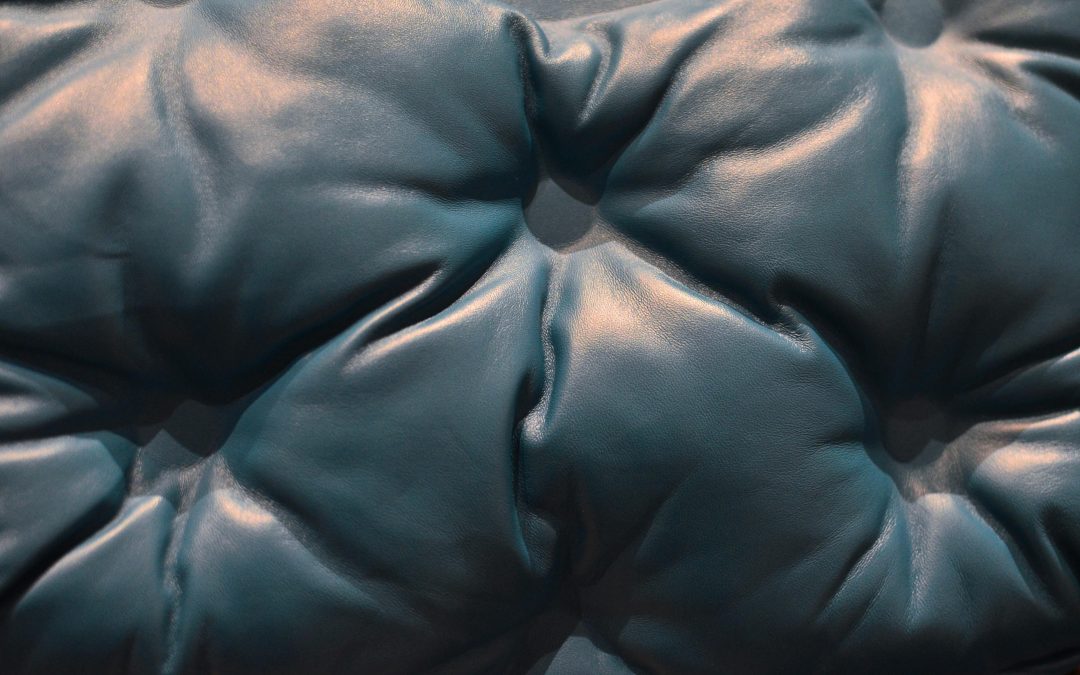
- Leather ages beautifully and is highly durable.
- Chenille feels cozy but needs gentle care.
- Canvas is tough and perfect for casual spaces.
- Velvet adds luxury although it requires more maintenance.
You can also check something called the double rub count which is a standard test used in the furniture industry. A higher number means the fabric can handle more wear over time. Residential upholstery usually benefits from a fabric with at least 15,000 double rubs or more.
Pick a Color and Pattern That Works with Your Space
Once you understand durability, it becomes time to think about style. This is the part most people get excited about because color and pattern can change the whole look of a room.
Here are a few easy tips to guide your choice:
- Light colors make small spaces feel bigger.
- Dark fabrics hide stains more easily.
- Patterns add character and help disguise everyday wear.
- Solid colors feel modern and blend well with most décor styles.
If your room already has bold curtains, carpets, or artwork, you may want a neutral fabric to balance the space. However, if your décor is simple, using patterned upholstery can add personality without overwhelming the room.
Think About Comfort and Texture
Comfort plays a big role in choosing upholstery because you want a fabric that feels good to sit on every day. The texture can affect your comfort and the overall feel of your room.
Soft fabrics like chenille or velvet make a room feel warm and inviting, while smooth fabrics like linen or microfiber offer a clean and airy look. If your home gets a lot of sunlight, consider how the texture will react because some fabrics fade faster than others when exposed to direct light.
Touch the fabric if you can, or order samples to see how it feels in your home. This small step makes a big difference in the final result.
Do Not Forget About Maintenance and Cleaning Needs
One of the most overlooked parts of learning how to choose fabric for upholstery is understanding cleaning requirements. Every fabric type has its own care instructions and choosing something that fits your cleaning routine helps keep your furniture looking fresh longer.
For example:
- Microfiber is simple to spot clean.
- Leather can be wiped down but needs conditioning occasionally.
- Linen may wrinkle easily and needs more careful cleaning.
- Performance fabrics resist stains and spills, which makes them great for families.
If you want something low maintenance, performance fabrics or microfiber are practical options. If you do not mind occasional care, natural fabrics like cotton or linen offer a timeless feel.
Test Your Fabric in Real Lighting and Real Life
Before making a final decision, try to view the fabric in your home. Lighting makes a huge difference because colors can look completely different under store lights compared to your living room.
Place a sample on the furniture or near it and watch how it looks in daylight and at night. This small step helps you avoid surprises and ensures the fabric complements your room perfectly.
Final Takeaway: Choose Fabric with Both Style and Practicality in Mind
Learning how to choose fabric for upholstery becomes simple when you focus on durability, lifestyle, comfort, color, and maintenance. Good furniture is an investment, so choosing the right fabric helps you enjoy it longer while keeping your space stylish and functional. With the right balance of practical features and design, you can create a home that looks great and feels comfortable too.