
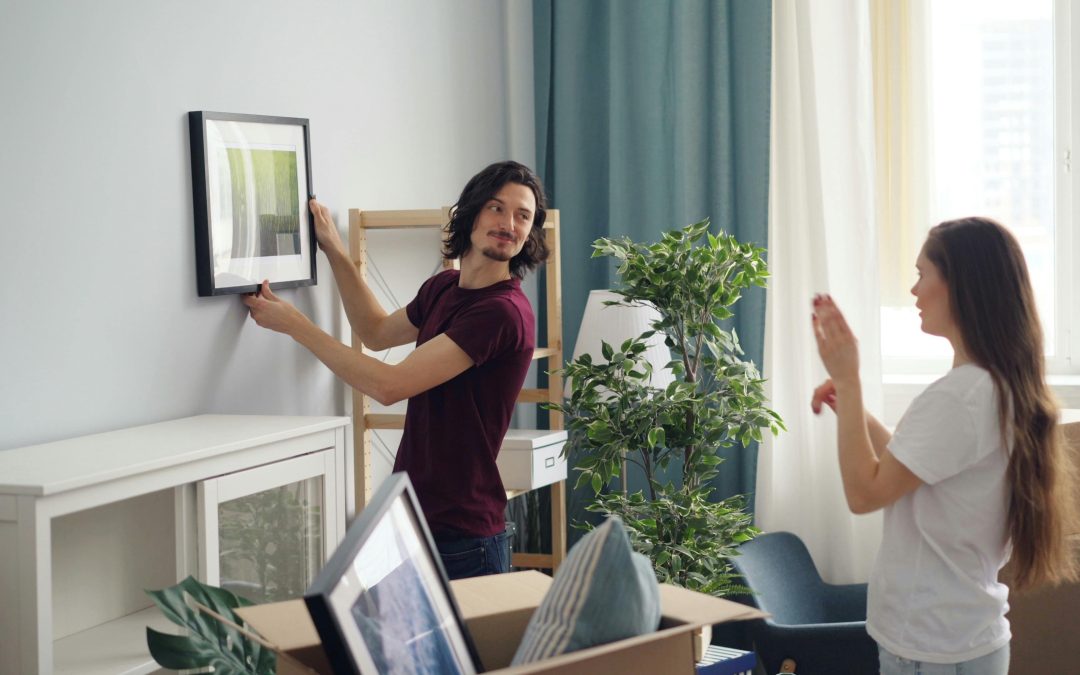
When it comes to creating a home that feels inviting, stylish, and functional, interior decorators play a crucial role. They have the expertise to transform ordinary spaces into personalized, visually appealing environments. How interior decorators enhance residential aesthetics goes beyond selecting colors or furniture; they balance design principles, functionality, and personal style to create harmonious living spaces that homeowners love.
According to a survey by Houzz, 78% of homeowners who hired interior decorators reported feeling more satisfied with the overall look and functionality of their homes. This statistic shows the real impact professional interior design can have on residential aesthetics.
Understanding residential aesthetics
Residential aesthetics involve more than just appearance. They include balance, harmony, color coordination, texture, lighting, and spatial planning. Interior decorators enhance aesthetics by:
- Creating cohesive color schemes that set the mood of a room
- Selecting furniture and décor that match both style and function
- Ensuring proper lighting to highlight features and create ambiance
- Maximizing space to feel open and comfortable
By integrating these elements, decorators turn homes into visually appealing and practical spaces that reflect the homeowner’s personality.
Color selection and palette planning
One of the most visible ways interior decorators enhance residential aesthetics is through color. The right color palette can make a room feel larger, warmer, or more relaxing. Decorators consider:
- Wall, ceiling, and trim colors that complement the overall theme
- Accent colors for furniture, pillows, and décor to add depth
- Seasonal and natural lighting changes to maintain harmony
- Psychological effects of colors, such as calming blues or energizing yellows
A well-chosen palette sets the foundation for every other design choice in the home.
Furniture arrangement and spatial design
How interior decorators enhance residential aesthetics also involves spatial planning. Proper furniture arrangement ensures the home is functional, comfortable, and visually appealing. Benefits of professional furniture placement include:
- Clear pathways for movement and accessibility
- Balanced proportions and visual weight in rooms
- Highlighting focal points like fireplaces, artwork, or windows
- Multi-functional layouts for small or open-concept spaces
This careful planning makes everyday living more efficient while maintaining an elegant appearance.
Lighting and ambiance
Lighting is a critical element of residential aesthetics that many homeowners overlook. Interior decorators enhance a home’s ambiance by strategically using different types of lighting:
- Ambient lighting for general illumination
- Task lighting for kitchens, offices, or reading areas
- Accent lighting to highlight artwork, architectural features, or plants
- Layering natural and artificial light for a warm, inviting environment
Proper lighting improves not only aesthetics but also functionality, ensuring spaces feel comfortable throughout the day.
Textures, materials, and finishes
Texture and material choices add depth and sophistication to residential interiors. How interior decorators enhance residential aesthetics often includes:
- Combining soft fabrics, wood, metal, and stone for visual interest
- Using contrasting textures to prevent monotony
- Selecting durable finishes that maintain appearance over time
- Coordinating flooring, countertops, and upholstery for cohesive style
These choices create tactile and visual appeal that elevates the overall home environment.
Artwork and décor placement
Artwork and decorative elements personalize a home and make it feel unique. Professional decorators enhance aesthetics by:
- Choosing pieces that complement the color scheme and style
- Properly sizing and positioning artwork to create focal points
- Incorporating decorative accessories such as vases, rugs, and mirrors
- Rotating seasonal décor for freshness and interest
Decorative touches bring personality and warmth to every room, making homes feel inviting and complete.
Functional design and organization
Aesthetic appeal is closely tied to functionality. Interior decorators help homeowners maintain beauty without sacrificing practicality. Their strategies include:
- Concealing storage areas with built-in solutions
- Organizing kitchens, closets, and offices for efficiency
- Creating clutter-free spaces that enhance visual appeal
- Designing layouts that support lifestyle needs and family routines
When aesthetics and functionality align, residential spaces become both beautiful and livable.
Conclusion
How interior decorators enhance residential aesthetics extends far beyond decorating with colors or furniture. They create a harmonious balance between beauty, functionality, and personal style. From color palettes to furniture layouts, lighting, textures, and décor, decorators ensure that every space reflects the homeowner’s personality while remaining functional and welcoming. Investing in professional interior design elevates the look and feel of a home, turning ordinary living spaces into extraordinary environments that homeowners cherish every day.