
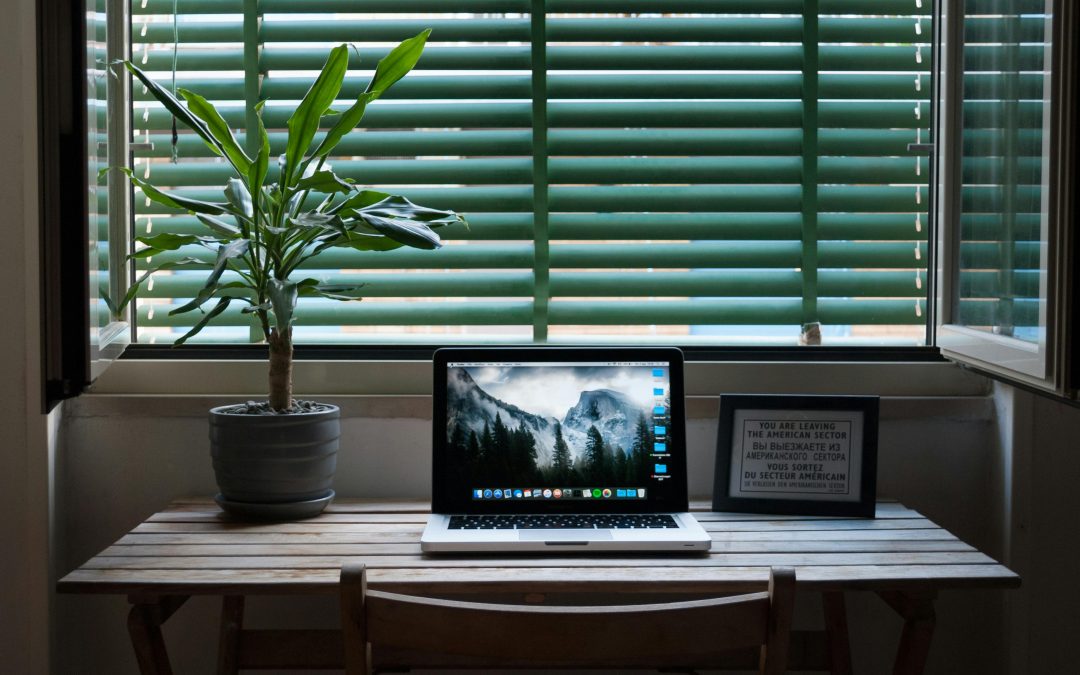
Have you ever walked into a room and instantly felt calm, inspired, or energized without knowing exactly why? That is the quiet power of interior decorating. It is not just about pretty pillows or trendy paint colors. It is about shaping how a space feels and functions for the people who use it every day.
If you have ever wondered how interior decorating works, you are in the right place. Whether you are updating one room or refreshing your entire home, understanding the process can help you make confident decisions and avoid costly mistakes.
Let us break it down step by step in a way that feels simple and practical.
What Interior Decorating Really Means
Before diving into how interior decorating works, it helps to clarify what decorating actually involves.
Interior decorating focuses on the visual and functional enhancement of a space without making structural changes. That means no moving walls or major renovations. Instead, decorating typically includes:
- Furniture selection
- Color schemes
- Lighting choices
- Textiles such as rugs and curtains
- Wall art and accessories
- Space styling and layout
It is different from interior design, which can involve architectural planning and building codes. Decorating works within the existing structure to improve aesthetics and comfort.
Why Interior Decorating Matters More Than You Think
Your environment influences your mood and productivity. Research published in the Journal of Environmental Psychology suggests that physical surroundings can affect stress levels, concentration, and overall well being.
For example, natural light and balanced color palettes are often linked to improved mood and focus. A cluttered or poorly arranged room, on the other hand, can create subtle stress.
That is why understanding how interior decorating works is more than just a style exercise. It is about creating spaces that support your daily life.
Step One: Understanding Your Needs and Lifestyle
Every decorating project begins with one essential question. How do you use the space?
A professional decorator will usually ask about:
- Who lives in the home
- Daily routines
- Hobbies and interests
- Storage needs
- Entertaining habits
For example, a family with young children may prioritize durable fabrics and hidden storage. A remote worker might need a functional home office that promotes focus.
This discovery phase sets the tone for everything else. Without understanding your lifestyle, even the most beautiful room may not feel practical.
Step Two: Defining a Style Direction
Once needs are clear, the next part of how interior decorating works involves defining a style direction.
This does not mean copying a showroom or following trends blindly. Instead, it is about identifying what feels authentic to you.
Common style categories include:
- Modern
- Traditional
- Scandinavian
- Industrial
- Minimalist
- Farmhouse
Decorators often create mood boards. These boards combine images, textures, colors, and inspiration pieces to visualize the overall look. This step ensures consistency before any purchases are made.
It also prevents impulsive buying, which can lead to mismatched pieces that do not work together.
Step Three: Planning the Layout
Layout plays a major role in how a room functions. Even the most stylish furniture will not feel right if the arrangement blocks movement or disrupts conversation flow.
When learning how interior decorating works, you will see that space planning includes:
- Measuring the room accurately
- Mapping furniture placement
- Considering traffic flow
- Balancing large and small pieces
For example, in a living room, seating should encourage conversation while still allowing easy movement. In bedrooms, the bed placement often becomes the focal point, with nightstands and lighting arranged symmetrically for balance.
This stage blends creativity with practicality.
Step Four: Selecting Colors and Materials
Color can completely change the atmosphere of a space. According to color psychology research, soft blues and greens are often associated with calmness, while warmer tones like terracotta and mustard can create energy and warmth.
Professional decorators consider:
- Natural light levels
- Room size
- Existing finishes
- Desired mood
They also coordinate materials such as wood, metal, fabric, and stone to create harmony. Mixing textures adds depth. For example:
- A soft wool rug paired with a leather sofa
- Linen curtains against painted walls
- Matte finishes combined with subtle metallic accents
This layering is a key part of how interior decorating works to make rooms feel intentional rather than flat.
Step Five: Furniture and Accessory Selection
Now comes the exciting part. Choosing the actual pieces.
Decorators focus on quality, scale, and proportion. A sofa that is too large can overwhelm a small room. A tiny rug can make even a spacious area feel disconnected.
Key considerations include:
- Comfort and durability
- Visual balance
- Functionality
- Budget alignment
Accessories such as artwork, plants, mirrors, and decorative objects bring personality into the room. However, restraint is important. Over decorating can create clutter instead of style.
A well styled room often follows the principle that every item serves either a functional or emotional purpose.
Step Six: Lighting Design
Lighting is often underestimated, yet it can dramatically affect how a room feels.
Interior decorators typically layer lighting in three ways:
- Ambient lighting for overall illumination
- Task lighting for specific activities
- Accent lighting to highlight features
For example, a kitchen may combine ceiling lights, under cabinet lighting, and pendant fixtures. In a living room, table lamps and floor lamps can soften the mood in the evening.
Good lighting supports both function and atmosphere, making it a vital part of how interior decorating works effectively.
Step Seven: Styling and Final Touches
The final stage brings everything together.
This includes:
- Arranging decorative objects
- Adjusting artwork placement
- Fluffing pillows and arranging throws
- Adding greenery for freshness
Professional stylists often step back and assess the room as a whole. They look for balance, symmetry, and visual flow.
Sometimes small adjustments such as shifting a chair or swapping a lamp can make a big difference.
This finishing phase transforms a functional space into one that feels complete.
How Long Does the Process Take
Timelines vary depending on the scope. A single room refresh may take a few weeks. Larger projects involving multiple rooms and custom furniture may take several months.
Delays can occur due to shipping times or custom orders. Planning ahead and ordering early can help avoid frustration.
Patience is part of how interior decorating works when aiming for a cohesive result.
Final Thoughts on How Interior Decorating Works
At its core, decorating is a thoughtful process built on understanding people, space, and style. It starts with identifying your needs and defining a clear direction. Then it moves through layout planning, color coordination, furniture selection, and finishing details.
When you understand how interior decorating works, you gain confidence. You stop guessing and start making intentional choices. You see that great spaces are not created by accident. They are the result of planning, creativity, and attention to detail.
Whether you hire a professional or take a do it yourself approach, remember this. A well decorated space should feel like home. It should reflect your personality, support your lifestyle, and make everyday living just a little more enjoyable.